

If you’re unsure where to start, consider using a pricing strategy like value-based pricing. With this approach, you set your prices based on the perceived value of your products or services. In other words, what your customers are willing to pay is just as important as your costs when determining price. On the other hand, if businesses undercost their products or services, they may be unable to cover their costs and lose. This can damage the business’s reputation and make it harder to attract customers in the future.
How to calculate product cost?
These formats, also known as costing techniques, allow companies to derive their product costs. These costs are necessary for production but not efficient to assign to individual product production. Examples of typical overhead costs are production facility electricity, warehouse rent, and depreciation of equipment. Managing the financial aspect of your business can be daunting, but with Katana’s cloud inventory platform, you can say goodbye to the hassle and embrace seamless product cost accounting. The software provides an array of tools that simplify the cost-tracking process and allow you to focus on what really matters — your business. Nevertheless, every company should at least know their product cost as a bare minimum, as this knowledge alone can be used to make effective pricing decisions.
- The company has to pay $2,000 per month to cover the cost of the lease, no matter how many products that machine is used to make.
- Collaboration between departments, such as finance and production, is also important for precise expense control.
- This way, factory overheads also contribute to a company’s production costs.
- Since product costs include manufacturing overhead that is required by both GAAP and IFRS, product costs should appear on financial statements.
- A bit harder to calculate, time is a crucial factor to consider nevertheless.
- Primarily, cost accounting covers the expenses incurred on developing or manufacturing a product.
Reduce your material expenditures:
Evaluating your expenses can help you determine whether you’re getting the most value out of them or need to consider alternatives. Backing up your assumptions with data can bolster your confidence that you are building a product that actually meets the needs of your customers. Alternatively, customer research can show that you are on the wrong path and need to pivot. Customer research may be the most important step in building and maintaining any product.
Process costing
The company should determine the total cost of producing a product, including direct materials, direct labor, and overhead, and then add a profit margin to arrive at the final price. Period costs, on the other hand, are not directly tied to producing a specific product. Instead, these costs are incurred as part of a company’s overall operations and are product costs consist of expensed in the period in which they are incurred. Examples of period costs include selling and administrative expenses, such as advertising, salaries, and rent. This is the sum of the direct materials, direct labor, and manufacturing overhead costs. The raw materials inventory account is used to record the cost of materials not yet put into production.

Let’s say a piece of machinery on your phone’s assembly line is used for 4,000 hours a year, rolls out 100,000 phones, and you incur ~$10,000 in repairs and maintenance costs annually on it. In that case, your repairs and maintenance overhead is $2.5 per machine hour or $0.1 per unit. In the earlier example of factory lease cost, the total amount of lease expense in a year will be distributed over the total phone production for the year (planned or actual, as the case may be).
Product costing examples

This can be obvious in theory (cost of the materials and the processes that create it) but not so obvious—and certainly not that easy in practice. To get an accurate, comprehensive, and reliable estimate of your total product cost, you need to gather much information on many costs. Only then can you be sure about the total product cost, and finally be able to price your product at a level you are sure will earn you profits.
- Regularly evaluating vendors and comparing prices for different materials can also help companies save money.
- The wages paid to a construction worker, a pizza delivery driver, and an assembler in an electronics company are examples of direct labor.
- Standard costing uses standard costs rather than actual costs for cost of goods sold (COGS) and inventory.
- The distinction is essential because of the required treatment of the manufacturing costs for external reporting purposes, also known as Absorption Costing.
- This will help ensure you’re still charging a fair price that covers your costs and allows you to make a profit.
- This means the business will earn a gross profit of $2,975 if they sell their candles at $14.875 each ( $11.90 + $2.975).
- Here’s a hypothetical example to show how this works using the price of oil.
- Production might include things like rent, direct labor costs, raw materials, and machinery.
- You can determine production costs by adding together any labor costs and direct material costs.
- Direct material costs are the costs of raw materials or parts that go directly into producing products.
- Many businesses use a standard cost system to calculate their product costs accurately.
- Imagine that the business has monthly expenses to keep the operation running smoothly.
To achieve this, management needs an accounting system that can accurately assign and document the costs for each product. The product costs are sometime named as inventoriable costs because they are initially assigned to inventory and expensed only when the inventory is sold and revenue flows into the business. Period costs include selling expenses and administrative expenses that are unrelated to the production process in a manufacturing business. Selling expenses are incurred to market products and deliver them to customers. Administrative expenses are required to provide support services not directly related to manufacturing or selling activities. Administrative costs may include expenditures for a company’s accounting department, human resources department, and the president’s office.
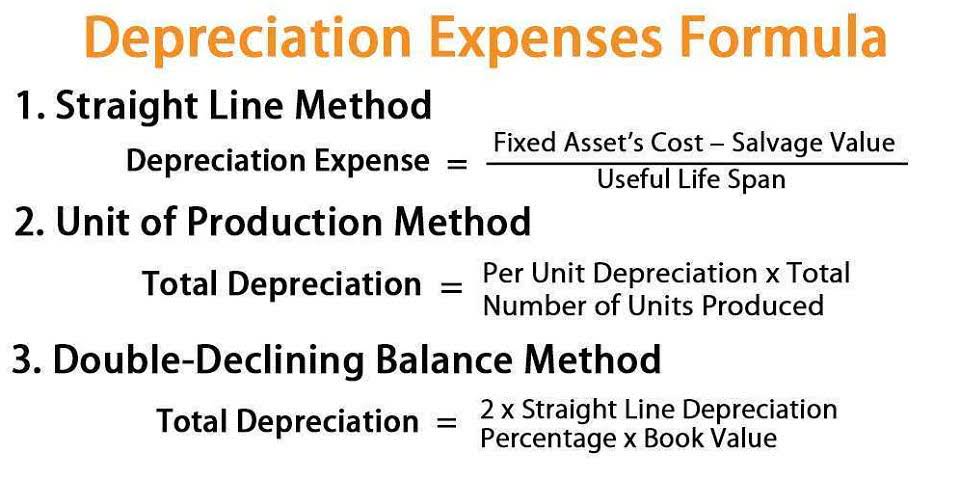
In addition to indirect materials and indirect labor, manufacturing overhead includes depreciation and maintenance on machines and factory utility costs. When the product is sold, these costs are transferred from inventory account to cost of goods sold account and appear as such on the income statement of the relevant period. For example, John & Muller company manufactures 500 units of product X in year 2022.
Managerial Accounting

Out of these 500 units manufactured, the company sells only 300 units during the year 2022 and 200 unsold units remain in ending inventory. The direct materials, direct labor and manufacturing overhead costs incurred to manufacture these 500 units would be initially recorded as inventory (i.e., an asset). The cost of 300 units would be transferred to cost of goods sold during the year 2022 which would appear on the income statement of 2022.
- With thoughtful cost management, companies can ensure that their products remain competitively priced and profitable for many years.
- Getting the cost estimate wrong can lead to commercial disaster for even a perfectly viable product.
- Now that we have taken a bird’s eye view of the matching principal, let’s look into the meanings of and difference between product costs and period costs.
- The cost of doing business can change over time, so reviewing your prices regularly is important.
- Product costs (direct materials, direct labor and overhead) are not expensed until the item is sold when the product costs are recorded as cost of goods sold.